Niklas's thoughts

Music and other stuff

czarface

I just saw Kurt Vile shout-out to Czarface's absolutely brilliant hip-hop album Super What?:

Earlier this year, Vile spoke with The Quietus about the album:

I didn’t know what to expect from this record. I bought it when I was on the road. I listened to it on a ferry on a Discman, leaving the UK, headed to Europe. The music behind it is really good, but then the rest of it is insane and makes me laugh, and it’s just the perfect intro. It just explodes into my headphones and into my brain, and I’ve never been the same. That’s one of my favourite modern tracks as well.

The video is better than the Quietus thing; Vile is obviously deeply into hip-hop and he loves music. By the way, Vile's latest album is really fucking playful and good. He's always creating good music. Go, Kurt Vile!

Czarface is a great collaboration. Imagine hip-hop at its most playful, groovy, and funky, and you're down. Everything Czarface release is truly great, no exaggeration. Everything from the comic-book examples... It's not weird that MF DOOM collaborated with Czarface. I mean, check out this album. It's actually the first posthumous release from MF DOOM after his death.

This album is SO much fun. Darryl from RUN-DMC is in here. Del Tha Funkee Homosapien is here. There's so much to love here. Simple and flash lyrics, references to everything from throwaway riddims like 'dem girls like sugaaaaah' to the laughter at the start of the first track.

I fucking love musicians that don't take themselves too seriously. Make no mistake, this is not sloppy in any sense; this is music by people who know what the hell they're doing and have the chops to take in influences, fun, chaos, chance, and severely addictive rhymes and beats from everywhere.

I fucking love hip-hop and this album is a great example of why everyone should get deeply into this.

This album reminds me of Deltron 3030's eponymous great album...

#music #MusicTips #Czarface #MFDOOM #HipHop

mountain

I'm nearly a fifth into The Magic Mountain, which I've written more about in this post. The edition I'm reading is translated by Simon Pare; he keeps a blog that he wrote about his translation work, which he did during 2024. The blog is named A Year on the Magic Mountain.

Here's the start of the book:

Arrival

An ordinary young man was travelling in midsummer from his home town of Hamburg to Davos-Platz in the Grisons region of Switzerland. He planned to visit for three weeks.

Yet it is a long journey from Hamburg to these mountains-too long a journey, in truth, for such a short stay. It leads through many different regions, uphill and down, descending from the south German plateau to the shores of the Swabian Sea and by ship across its leaping waves, over abysses once thought to be unfathomable.

Here, a journey that has so far proceeded smoothly and directly becomes fragmented. There are stops and disruptions. In a place called Rorschach, on the Swiss side, you once more entrust your progress to the railway, but only as far as Landquart, a small Alpine station where you are obliged to change trains. After standing around for some time in windy and rather unattractive surroundings, you board a narrow-gauge railway, and as the small yet uncommonly powerful locomotive pulls away, so the truly adventurous part of the journey begins, an abrupt and arduous climb that seems to go on for ever. For Landquart station lies at a middling altitude; now, though, the wild and rocky route forges up tenaciously towards the high peaks.

Hans Castorp for that is the young man's name-sat alone in a small, grey-upholstered compartment with his crocodile-skin bag (a gift from his uncle and guardian Consul Tienappel, whom we may as well introduce at this point), his winter coat, which was swaying from a peg, and his tartan blanket-roll. He was sitting with the window wound down, and since the afternoon was cooling fast, this cosseted, delicate boy had turned up the collar of his fashionably loose, silk-lined summer topcoat. On the seat beside him lay a paperbound book entitled Ocean Steamships, which he had dipped into earlier in his journey, but now it lay there ignored, while puffs of steam streaming in from the heavily panting locomotive speckled its cover with particles of soot.

***

Here's a great paragraph that I read this morning. Mind you, a lot of what I've read so far in the book are recollections, fragments, and inner workings that deal with conversations between people at one specific place.

Many ridiculous ideas have been disseminated about the nature of boredom. It is generally believed that interesting and novel ingredients help to 'pass' the time, meaning that they abbreviate it, whereas monotony and emptiness clog and block its course. That is not necessarily accurate. Emptiness and monotony may well stretch for a moment or an hour, leading to 'boredom', but they abbreviate larger magnitudes of time, the largest too, and can even dissolve them into nothing. Conversely, abundant and interesting content is very much capable of abbreviating and enriching an hour and even a day, but when scaled up it lends depth and weight and solidity to the passage of time, and as a result eventful years pass far more slowly than the meagre, empty, and flimsy ones the wind carries before it so that they fly past. What we call boredom is therefore actually more like a pathological, monotony-induced absorption in time; uninterrupted homogeneity shrinks great vistas of time in heart-chilling fashion; if one day is like every other, they are all the same, and the effect of perfect uniformity is that even the longest life would appear very short and be gone in the twinkling of an eye. Growing familiarity causes a dulling or blunting of our sense of time, and if we have the sensation that the years of our youth pass slowly and yet later life proceeds more and more swiftly, rushing past us, then familiarity must be the cause. We know that the addition of adjustments and new habits is the only way to control our lives, freshen up our sense of time, and bring about a rejuvenation, intensification, and deceleration of our experience of it-and with it a regeneration of our whole sense of being alive. That explains why we seek a change of scene and a change of air, why we go to the seaside and crave the relaxing effect of variety and the episodic. The first days in a new place have a youthful feel, a sense of force and breadth-we are talking about a period of between three and eight days. Then, as we 'settle in', there is a gradual and perceptible shortening: anyone who clings on to life-or, rather, would like to cling on to life-may become grimly aware of how the days begin to lose their density and race past again; the last week of four, say, is eerily fast-moving and brief. Admittedly, the refreshment of our sense of time continues beyond the interlude and, when we have returned to normal, asserts itself once more: the first days at home after the change once more have a newly spacious and youthful feel, but this ceases after a few days because we adapt faster to the rule than to the exception, and if our sense of time has been dulled by age or-a mark of an innate lack of life force-was not very highly developed in the first place, it very quickly fades and after only twenty-four hours it is as if we had never been away, as if our trip were the dream of a single night.

#book #reading #ThomasMann

mann

It's interesting to read about Stefan Zweig. He deeply influenced Wes Anderson as the later wrote The Grand Budapest Hotel-

I thought about the film as I started reading The Magic Mountain by Thomas Mann. I found the book when I read Sarah Bakewell's additions to the recent 100 best novels of all time list that The Guardian collated. The list was gathered by results from asking critics and authors of their best novels. This past weekend, the Guardian released the 100 best novels all-time list as gathered by readers. The Magic Mountain is #42 on the author list, #50 on the reader list.

The book sucked me in even when I felt guarded against just that. Fuck me. So far I've read 14%. Mann's greatness is obvious even just ten pages into the book. The book seems to often be described as 'philosophical'. There are plenty of philosophical concepts in the book, but those are in the eyes of the beholder; Mann simply holds up a mirror to the human.

måwe

About Sweden, I've read about how Swedish 'christian democrat' Alice Theodorescu Måwe has accepted around 100,000 USD as a 'side income' which she failed to report. Lobbyists are going to lobby. In other Tidö-party-related news, the extremist right-wing xenophobic, homophobic, and anti-pedophile party Sverigedemokraterna had a government representative leave the party due to child-pornography charges. Don't get me wrong: sexual disorder doesn't care about political-party affiliations. It's just astonishing to see how Sverigedemokraterna treat their own once they've done something 'wrong'; see how William Petzäll was driven to his death.

Swedish TV have a humour show on. A guest star in an episode is Nick Alinia, a conspiracy-theorist nazi sympathiser. Nice. Contestants have chosen to leave the show.

cia

This weekend, I learned that the CIA used 'vampires' to fight communism in the Philippines. They've done worse, apart from some things.

momperry

I really like Spatial, No Problem. by Mouse on Mars and Lee “Scratch” Perry. Of course, Perry is dead, but he recorded so much with so many people that I think and hope it will take decades until the well runs dry. The album is wondrous. I love the playful lyrics, not least the ones made with Bob Marley and the ones against Chris “Vampire” Blackwell.

graph

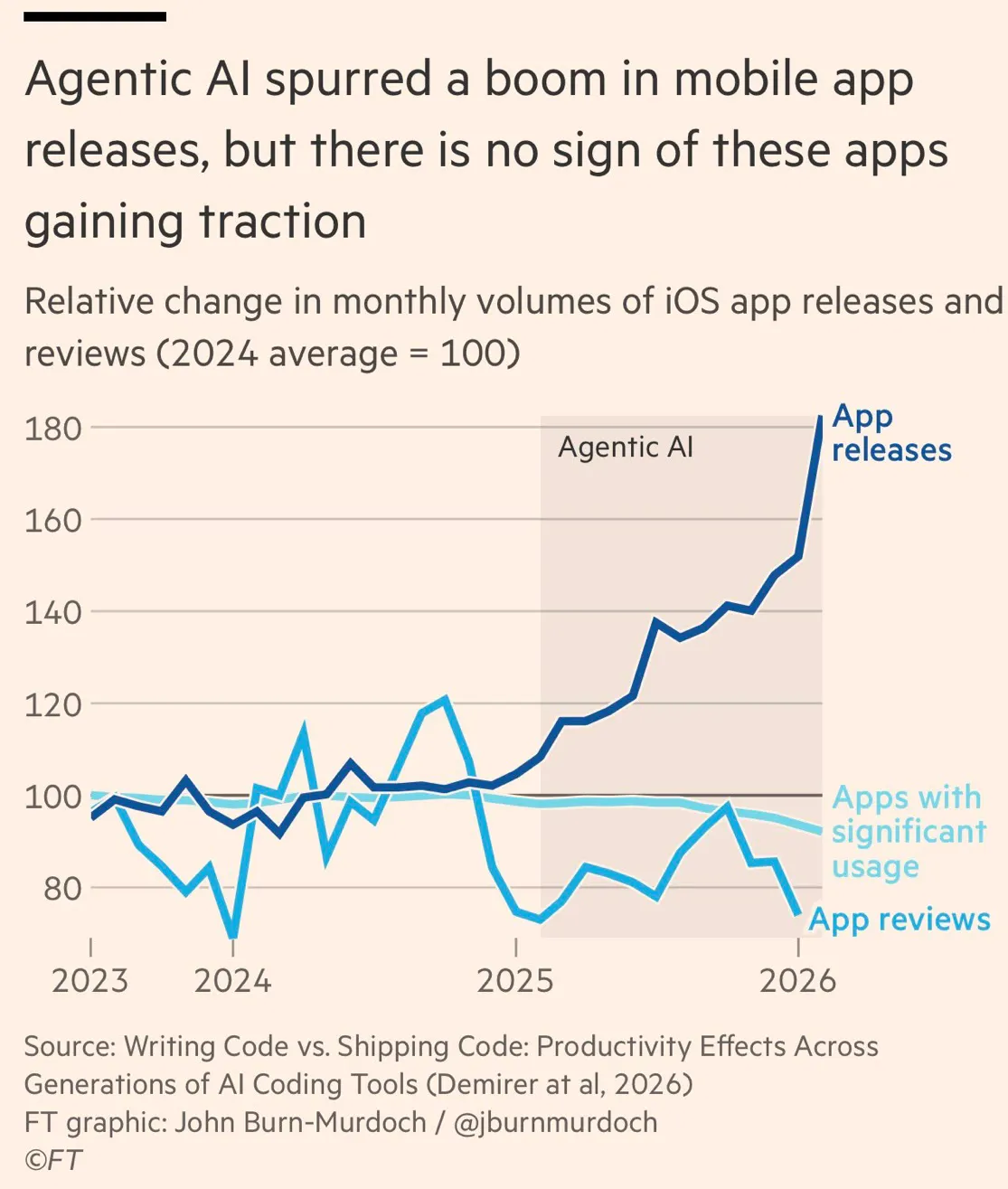
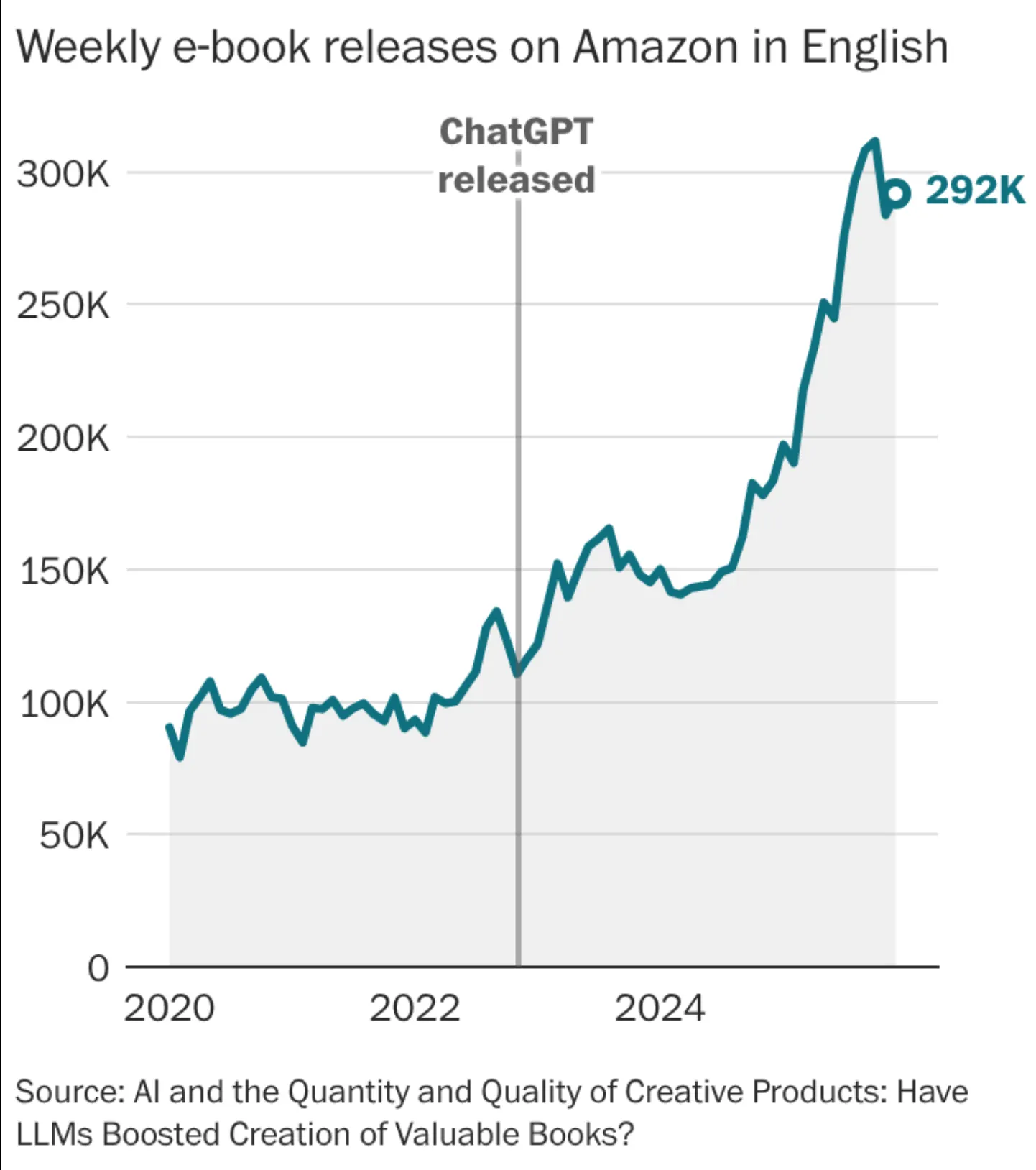
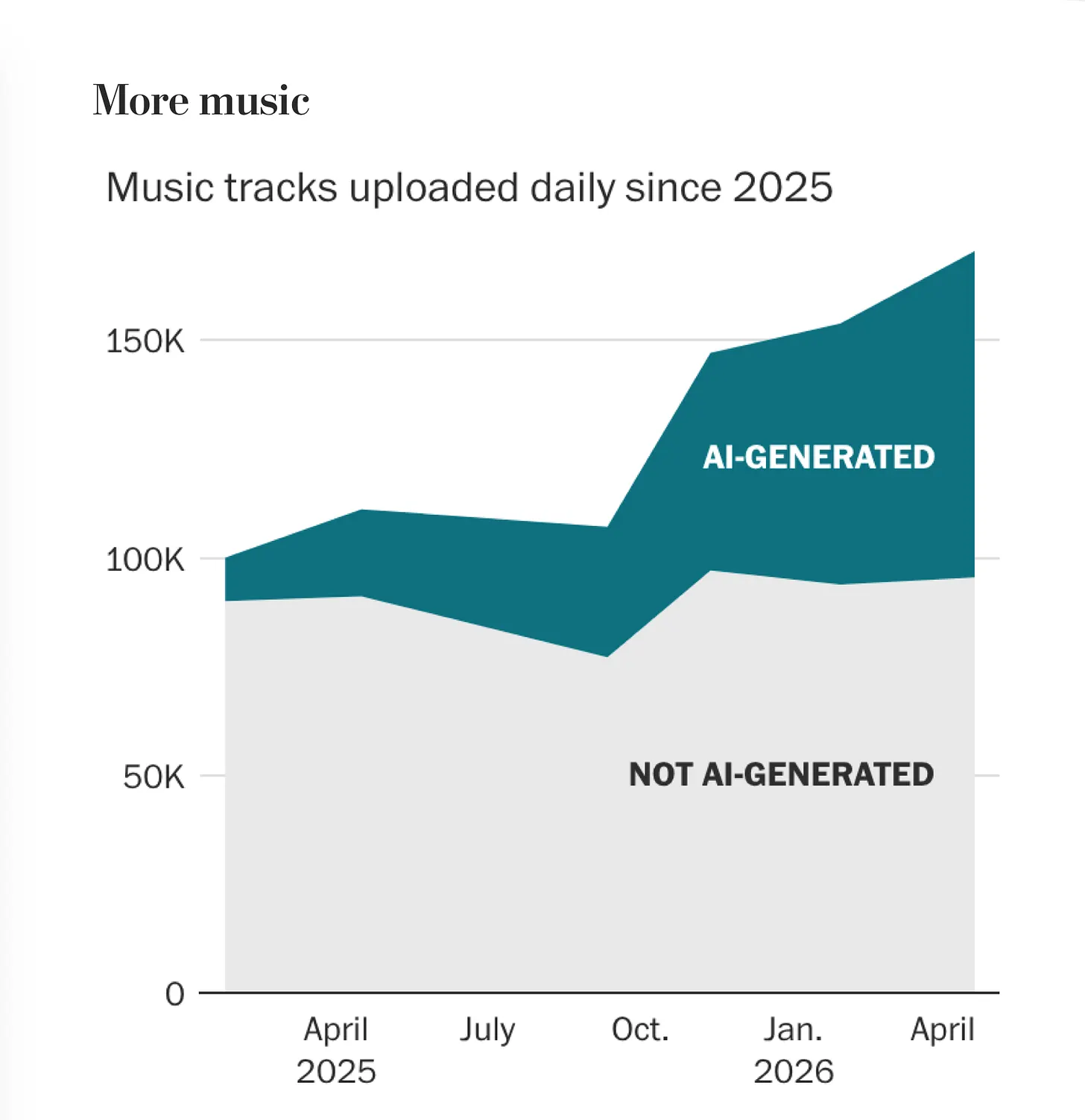
Gary Marcus has written an article named Slop, productivity and why the AI-fueled world is going nowhere mighty fast. Even the graphs say a lot.

graph2

graph3

If you need more fresh reasons to hate big AI companies, read Ed Zitron's article The Hater's Guide To The AI Bubble 3.0.

#EdZitron #ArtificialIntelligence #books #reading #Sweden #politics #sverigedemokraterna #kristdemokraterna #lobbying #music #MusicTips

Today Swedish krautrock-meets-psych-rock band Les Big Byrd release their new album, Ruin Everything.

This track may be my favourite on the album.

On the other hand, the title track is also pretty dope.

#music #MusicTips #LesBigByrd #psych

opensource

Mastodon recently published a blog post, Europe's New Tech Strategy Puts Open Source Front and Centre, a decree that says Europe should care about open-source code:

The European Commission has just released a major strategy on technological sovereignty, and it’s placing open source software squarely in the spotlight. The message is clear: open source is key to true digital independence.

A recent article posted by Swedish state-owned SVT Nyheter says this (translated from Swedish by yours truly):

American tech giants claim their cloud services are securely encrypted.

But according to an internal report circulating among Swedish security agencies, this is a “false sense of security.”

In the background are US laws that can compel Google, Amazon, and Microsoft to hand over data.

American tech giants dominate the cloud services market. They themselves claim that US authorities cannot access their clouds—despite their headquarters being located in the USA.

[...]

However, this is a claim that the Swedish Armed Forces debunk in their new cloud strategy. They point out that American companies have a “far-reaching obligation to hand over information to US authorities” due to two US legislative packages: FISA and the Cloud Act. The strategy also establishes that the location of the provider's headquarters is “decisive” for which legislation applies.

An internal report circulating among security agencies, which SVT has reviewed, goes even further. It concludes that cloud providers, through their control over the infrastructure, in practice have the technical capability to access data in plaintext.

The Military Intelligence and Security Service (Must) confirms the concerns regarding US cloud services:

— It is clear that we must consider what the legislation implies. If it means a provider could be forced to shut down, access, or share information that belongs to us, then it is obviously concerning, says Must chief Thomas Nilsson.

I can't remember when I heard it, but I remember when Condoleezza Rice said if there's a way for U. S. companies to gain leverage over non-U. S. companies, the government will help out. Regardless if that's true or not, FISA and the Cloud Act should be enough.

France have developed their own meet software.

The German state Schleswig-Holstein has cut their ties with Microsoft:

  • LibreOffice is replacing Microsoft Word and Excel
  • Open-Xchange is taking over Outlook for email and calendars
  • Plans are underway to replace Windows with the Linux operating system

Also, from the same article about Schleswig-Holstein:

Are other governments also ditching Microsoft tools?

Absolutely—and not just in Germany. This move from Schleswig-Holstein is part of a growing global trend:

  • France’s gendarmerie (about 100,000 personnel) has been using Linux for years.
  • India’s Defence Ministry introduced its own operating system, Maya OS, in 2023.
  • Local governments in Copenhagen and Aarhus in Denmark are reportedly exploring similar options.
  • The EU’s Interoperable Europe Act, passed last year, actively encourages open-source software use across public bodies.

Aah. Feels good to not be shackled. I've written about my own why-Linux-is-better-than-Windows thing.

#OpenSource #code #freedom #FOSS

qobuz

I read an article named Qobuz Is Suddenly One of the Fastest-Growing Streaming Music Platforms. But Why, You Ask?. From the article:

Amidst seemingly endless price hikes and controversies over at the market leader, listeners (and artists) are quietly seeking alternatives. Curiously, Qobuz Managing Director of North America and Northern Europe, Dan Mackta, notes that a surprising number of Spotify users ditched their accounts right after their year-end ‘Wrapped’ campaigns were revealed.

It's not unexpected. People hate Spotify for many, many good reasons, like how they're not only using AI to ditch record labels, how they're actively lobbying against songwriter payouts, how their CEO (Daniel Ek) uses his personal extreme-amount wealth to buy AI warfare bullshit, et cetera.

After extreme backlash, Spotify say they're going to label AI music; I'm not sure what they think 'AI music' is, but rest assured they'll try to fuck over the consumer. Don't forget what Liz Pelly wrote about Spotify; her book is excellent, buy it.

I've written about Qobuz before. I use Qobuz, both for streaming and buying music. From my own garden article:

They are, as far as I know, the only music-streaming and music-purchase platform that openly publish how much they pay per stream.

In terms of average revenue per user (ARPU), Qobuz generated average revenue of  US$121.13 per year, where the market average is US$22.38 per year. This means that Qobuz generates on average five times more revenue per user than the market average, which results in a significant impact on artists' remuneration.

From the article I mentioned at the top:

Without naming names, Qobuz told us their per-stream payouts are ‘four times higher than the nearest competitor.’ According to DMN’s stats, that’s also approximately six times Spotify’s per-stream payouts, a company that, incidentally, entirely downplays the use of per-stream royalty measurements.

Yeah. Buy your music, stream it from a provider that's got good-quality stuff and, most importantly, pay the makers a good amount of money.

Most surveys, over time, show that humans value music the most out of any art form. Consider ancient Greece: philosophers, musicians, writers, etc. were treated very well, because they made what people loved; sure, ancient Greece also thought that keeping slaves was a good idea—Daniel Ek surely loved that part about ancient Greece!—but treasuring what made people happy and didn't hurt animals and the planet was and is good.

#music #MusicStreaming #MusicBusiness #BrokenRecord

wildatheart

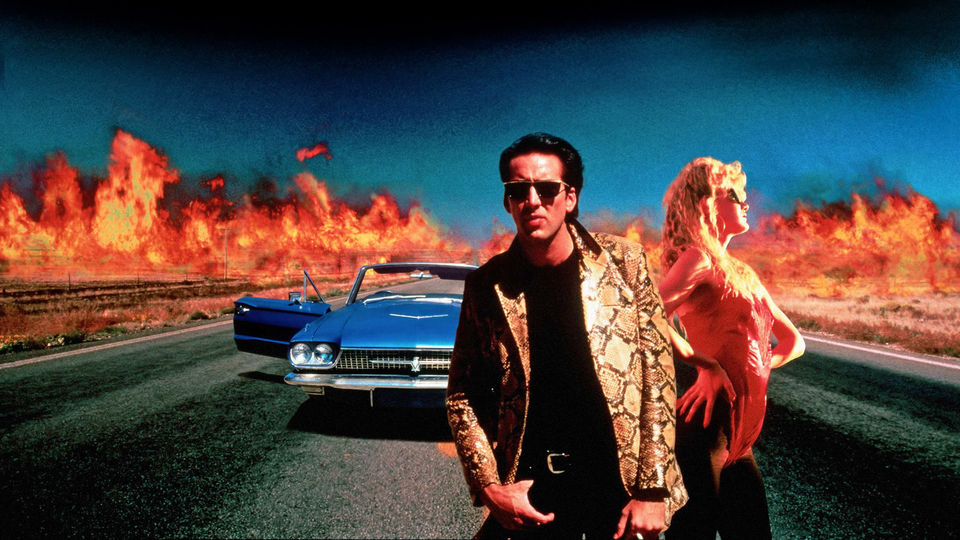
Here's a book: Wild at Heart.

Yes, it's the book on which David Lynch based his film.

wildatheart Nicolas Cage and Laura Dern in Wild at Heart, the film, as Sailor and Lula, respectively.

The book is much more than the film; they complement each other. I've read half of the book; it's a very quick read. The language is swift, simple, without darlings. Although, I must confess, there's so much heat from the book in the form of attraction, humour, The Inevitable (à la God)...it's great, so far.

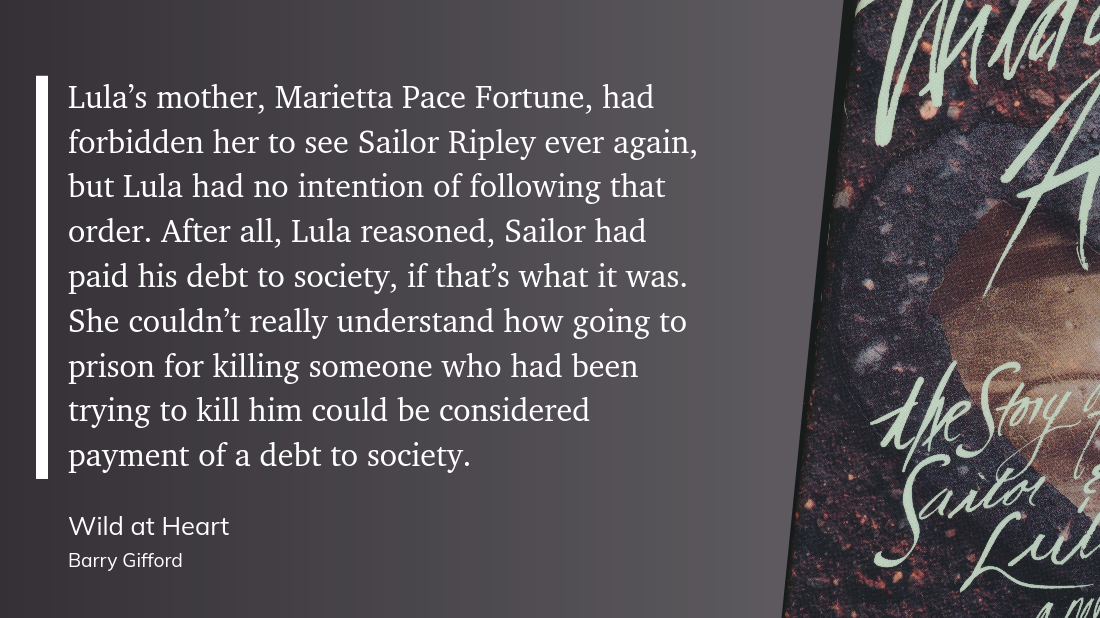
Here are some quotes from the book, and may people buy shitloads of books off Barry Gifford, the wonderful author, because he deserves all the best.

The world is really wild at heart and weird on top, Lula thought. Anyway, Sailor was out now and he was still the best kisser she’d ever known, and what Mrs. Marietta Pace Fortune didn’t find out about wasn’t about to hurt her, was it?

***

“My daddy was livin’ with his mama when he died,” said Sailor.

“Did you know that?” Lula shook her head.

“I surely did not,” she said.

“What were the circumstances?”

“He was broke, as usual,” Sailor said. “My mama was already dead by then from the lung cancer.”

“What brand did she smoke?” asked Lula.

“Camels. Same as me.”

***

“I’d stand by you, Sailor,” Lula said. “If you were an embezzler.”

“Hell, peanut,” Sailor said, “you stuck with me after I’d planted Bob Ray Lemon. A man can’t ask for more than that.”

Lula pulled Sailor over to her and kissed him soft on the mouth.

“You move me, Sailor, you really do,” she said. “You mark me the deepest.”

Sailor pulled down the sheet, exposing Lula’s breasts.

“You’re perfect for me, too,” he said.

***

“Sailor?”

“Honey?”

“Ever imagine what it'd be like to get eaten alive by a wild beast?”

“Mean a tiger?”

“Yeah. Sometimes I think it'd be the biggest thrill?”

Sailor laughed. “It better be, darlin', 'cause it'd be the last.”

“Ripped apart by a gorilla, maybe,” said Lula.

“How about bein' squeezed to death by a python?”

Lula shook her head. “I don't think so. That might be way too slow? And you'd feel your ribs crackin' and insides oozin' out. I'd rather get grabbed sudden and pulled apart quick by a real powerful animal.”

“Lula, sometimes I gotta admit you come up with some weird thoughts.”

“Anythin' interestin' in the world come out of somebody's weird thoughts, Sailor. Couldn't have been no simple soul dreamed up voodoo, for an instance.”

“Voodoo?”

“Sure. How else you explain stickin' pins in dolls to make a person squirm or have a heart attack? Or cookin' someone's fingernail clippin's to make 'em vomit till they ain't got nothin' left inside and drop dead. You tell me, Sailor, who could come up with shit like that ain't super weird?”

“You got me, peanut.”

“You certain?”

“I ain't never met anyone come close to you, sugar.”

Lula rolled over on top of Sailor.

“Take a bite of Lula,” she said.

#book #reading #BarryGifford

When The Bluetones came in 199something, I really loved their singles. 'Slight Return', what a song.

I recently read an article about how the band made 'Slight Return'. I remember that time. It made me listen to The Bluetones again. They've got a new album out.

I also remember first reading Anna Wharton's words; she's Mark Morriss' ex wife. Morriss is the singer in The Bluetones.

Wharton accused Morriss of “telling people that I am crazy, and lying about me”, “gaslighting women to believe what he wanted them to, convincing them not to put the dots together and realise what a narcissistic, pathological liar and serial predator he is”. She claimed that he also told his mother that she tricked him into the pregnancy and lied that she was bipolar.

The quote is from this article in The Guardian. Wharton also wrote a lot about Morriss, for example, this post, which is available in its entirety here.

On the youtube page of the video at the top of this page, the description is:

After a 14 year hiatus from writing and recording (due to one thing or another) The Bluetones release their first single in ages, Drive Thru.

The 'due to one thing or another' sounds ominous in light of what Wharton called out.

Regardless. Regardless?

I still struggle with separating artists from their art.

I'm listening to Atlas, the new Bluetones album. The first track is the first single, the video I've embedded on this page. It's got fuzzy production, unlike the band's first albums.

I must say, I always loved the lead guitarist. There are so many things he's done on their first album – oh, wait, I need to list a couple more brilliant songs:

They do carry a lot of lovely tracks. It's not unfair to compare them with The Stone Roses; I must confess I didn't make that connection until today when someone else connected the dots: it makes perfect sense, although Bluetones are far more put-together and English in a Blur-in-1992 way. The guitars are a lodestar where Bluetones are concerned. There's also a fair amount of nerdy organ thrown in at times.

I've never ever thought of The Bluetones as a sexual band, but I guess someone like Morriss would hide behind that.

This is a wonderfully sweet song, at least the chorus; then again, it turns a bit sour as I think of what Morriss may have done.

May. I don't know. I don't know him. By the sounds of his voice and that of Wharton, though, I think she's most likely telling the truth about most things on how Morriss abused her in many different ways. Even half of what she's said should send him to therapy for a very long time.

At the very least, I can't help but wonder what the rest of the band thinks about him and his actions. Even if they'd loathe the man, I guess they would still go on tour with him and release new music, possibly because they'd need the money.

On the other hand, is that worth the effort?

I struggle with myself. I've written about this many times: I used to love and adore Morrissey, before I knew he was a xenophobe, racist, nationalist, islamophobe, and supporter of extreme far-right movements. I should have known better. Cornershop warned us.

The new Bluetones album is OK but I can't see myself listening to it more than once. I can't remember any songs bar the first one; that says more about myself than the band. I laud musicians these days, it's really hard work, forcing them on tour far more than they should be travelling. On the other hand, to paraphrase Daniel Radcliffe's father, at least they're not coal miners.

I can't help but feel a little dirty when I think about The Bluetones, when I'm able to not only focus on the music. I think I might throw myself back to a time before I heard about Morriss' terrible actions and inactions.

I think of Gene, another 1990s band. Beautiful lyrics, wonderfully melodic guitar lines, very The Smiths-like. No britpop go-Blighty bullshit. Martin Rossiter, the singer, stood up and spoke out in a beautiful article named Why Morrissey Is Dead To Me. That's balls.

The Gene song 'You'll Never Walk Again' is wonderful. It makes me think of the person who means the most to me: my wife. The guitars somehow matches her countless wonderful expressions.

We're giving the world The kick it requires And if you can't see why Look into my eyes

'cause with you on my side/no, the feeling's not gone

#music #MusicTips #IndieRock #abuse

ai

I want it to be better, but I also want to code. And I can't code with GitHub anymore. I'm sorry. After 18 years, I've got to go. I'd love to come back one day, but this will have to be predicated on real results and improvements, not words and promises.

Mitchell Hashimoto, Ghostty

- GitHub has been losing focus on being a good code management platform, and has instead been focused on pushing AI tooling in ways that I believe could be counterproductive, and a general hindrance to open source maintainership. - I was unable to make changes to our website repository due to (Git-LFS) activity limits which could be consumed by any public person/actor (and therefore were completely out of our control). - Codeberg, a non-profit community-led organization that’s providing a service using an open source solution, is much more aligned to the values that we want to support and portray in BookStack relative to Microsoft (GitHub’s owner).

Dan Brown, BookStack

The tangible one that tipped me to finally move: **I'm upset about GitHub Copilot.** It's fairly well known that Copilot can reproduce significant pieces of open-source code, stripped of their license. I'm moving to make it a **little bit harder** to have Copilot train on my code. This is perhaps a futile protest, but it's what I can do an individual. Writing about this is another aspect of what I can do.

Nicole Tietz-Sokolskaya

The short version: GitHub is owned by Microsoft. Microsoft uses code hosted on GitHub to train AI models, including GitHub Copilot. I did not consent to my code being used this way. Neither did millions of other developers whose work now powers a $19/month subscription service.

VintageTechie

Auf Wiedersehen, GitHub

Thomas Dohmke, former CEO of GitHub

#ArtificialIntelligence #microsoft #code #programmers #microsoft

cramps|586x586

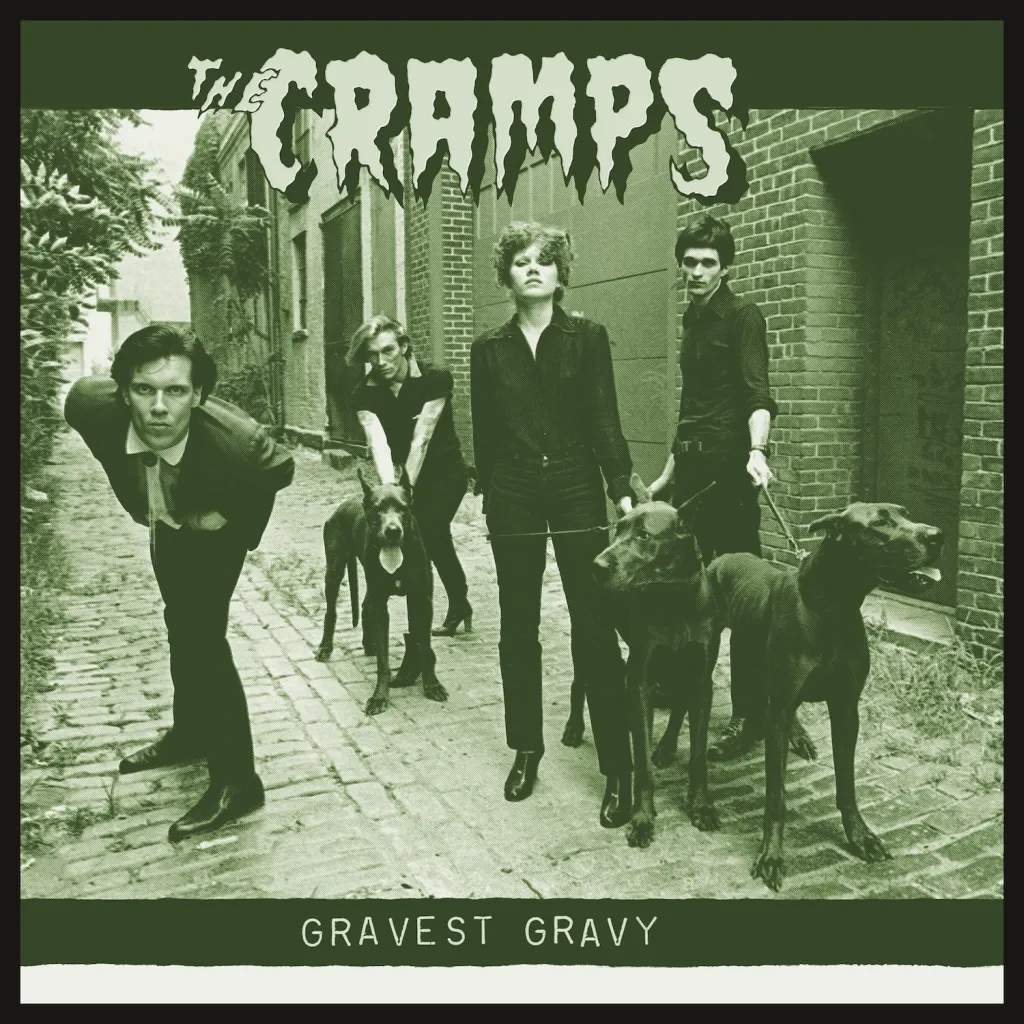
The Cramps are one of my favourite bands. Their debut album, Songs the Lord Taught Us, is excellent and influenced a million bands. It was produced by Alex Chilton, one of the main persons behind Big Star.

The Cramps ceased when Lux Interior, the singer, died.

Now, legendary Ian Mackaye and Henry Rollins help to bring out Gravest Gravy, a collection of previously-unreleased tracks recorded in 1977.

In Rollins' own words:

In October 1977, the Cramps, who were at that time, Lux Interior on vocals, Poison Ivy on guitar, Bryan Gregory on guitar, and Nick Knox on drums, ventured into Ardent Studios with the extraordinarily talented musician and producer, Alex Chilton. These sessions were responsible for the first two Vengeance Records releases, both permanently disfiguring the music world in 1978.

'Surfin' Bird' / 'The Way I Walk' 'Human Fly' / 'Domino'

“In 1979, young British degenerates were treated to a five track 12” EP by the Cramps called Gravest Hits, which featured all four tracks released in the USA, along with another from the October 1977 sessions, a great channeling of Ricky Nelson's hit 'Lonesome Town.' From there, the band released their first LP, Songs The Lord Taught Us, again working with Alex Chilton, and went onward, releasing records and touring all over until the sad passing of Lux in 2009.

“What Cramps fans might not know, was at Ardent, the band had planned to record their song 'TV Set' to be their first A side, along with another track or tracks. Alex told them that he liked to have a band play every song they knew and the best of the batch would be committed to vinyl. This was fantastic advice, and luckily for us, that's what the Cramps did. This is how 'Lonesome Town' found its way to Gravest Hits. But, there was much more to the story.

“In the late 1980s, Lux and Ivy endeavored to release more recordings from the October 1977 sessions. It was to be titled Gravest Gravy. It was a record for the fans, a journey back to Memphis, back to the first Cramps records, that, try as it might, the world has been unable to heal from. Lux and Ivy mixed several tracks between June 14 and 30, 1989 at Present Time Recorders, in North Hollywood. Alex mixed a few tracks in Memphis. The album had a title, a cover by the great Stephanie Chernikowski, who passed away recently, but for reasons lost to time, Gravest Gravy was shelved.

“In 2026, we sought to change that. It was apparent that this record absolutely needed to be with the fans. A team, still severely cramped from initial contact with the band, began to form and got to work.”

Gravest Gravy is released on 2026-08-21. Get a lime-green vinyl version at Rough Trade. I can't wait to see what merch will be cooked up for this.

#music #MusicTips #TheCramps #IanMackaye #HenryRollins #LuxInterior #BryanGregory #PoisonIvy #NickKnox #psychobilly #RockNRoll